Why Robbins Understands Dance Better than Most Dance Flooring Companies
Choosing a dance floor should never feel like guesswork.
Yet for many dance schools, universities, performing arts centers, and professional companies, it often does.
There are countless opinions about what makes a great dance floor, but surprisingly little objective information. Organizations are asked to make one of the most important investments in the health of their dancers while navigating competing claims, limited technical guidance, and products that can look remarkably similar on the surface.
At Robbins Dance & Performing Arts, we believe our industry can do better.
Our difference begins with something few flooring companies can offer: leadership that has spent a lifetime living every side of the dance profession.
When James Fayette joined Robbins as Vice President of Business Development for Dance & Performing Arts, he didn’t simply bring decades of experience in dance. He brought the perspective of someone who has depended on great floors throughout his career, advocated for safer working conditions, built world-class training programs, managed internationally recognized dance companies, and personally purchased dance flooring for those organizations.
That perspective shapes everything we do in how we support dancers and the leaders challenged with protecting and elevating their art.
From the Stage to Advocacy
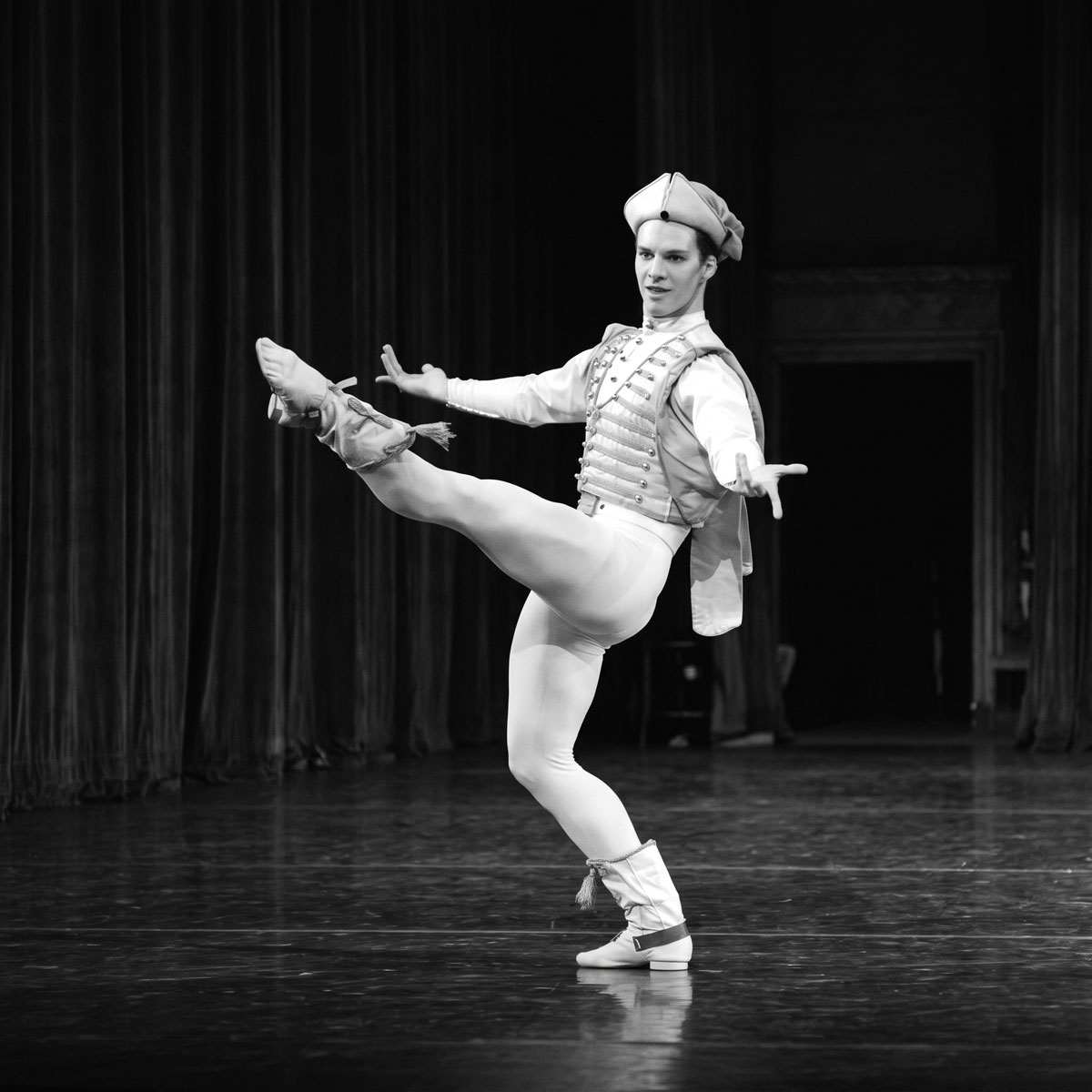
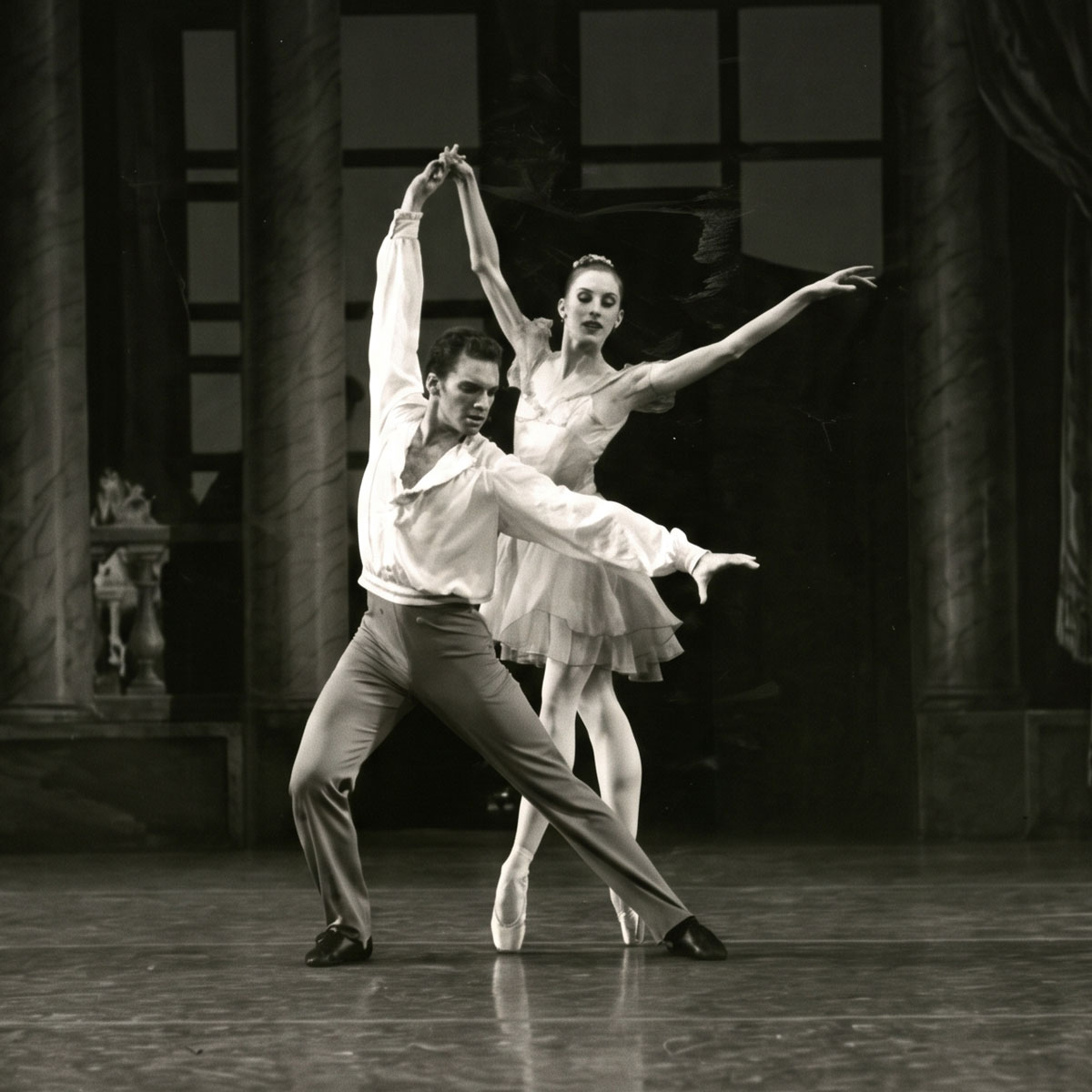
James began his professional career as a dancer with New York City Ballet, where daily class, rehearsals, and performances created an appreciation for the relationship between flooring, performance, and long-term physical health. Every landing, every turn, and every hour spent training reinforced a simple truth: dancers are elite athletes, and the floor system beneath them matters.
After retiring from the stage, that understanding evolved into advocacy. As a labor union executive with American Guild of Musical Artists (AGMA), James represented thousands of professional dancers and performers, fighting for safer working conditions and healthier rehearsal environments. Protecting artists became more than a professional responsibility. It became a personal mission.
Experiencing the Challenge as the Customer
Later, as a leader for an elite pre-professional dance academy, he encountered a challenge that many schools still face today.
The school believed it had invested in a sprung dance floor. Upon closer examination, however, the system consisted primarily of hardwood supported by isolated rubber pads more appropriate for athletic courts than the repetitive impact demands of professional dance. Students training for five or more hours each day experienced excessive fatigue along with recurring lower-leg injuries, tendon irritation, and persistent shin splints.
Finding a better solution proved unexpectedly difficult.
“There was very little information available to help buyers understand what actually makes a dance floor perform,” James recalls. “You could find product brochures, but very little education.”
Several years later, while managing a professional dance company, he found himself confronting the same challenge from a different perspective.
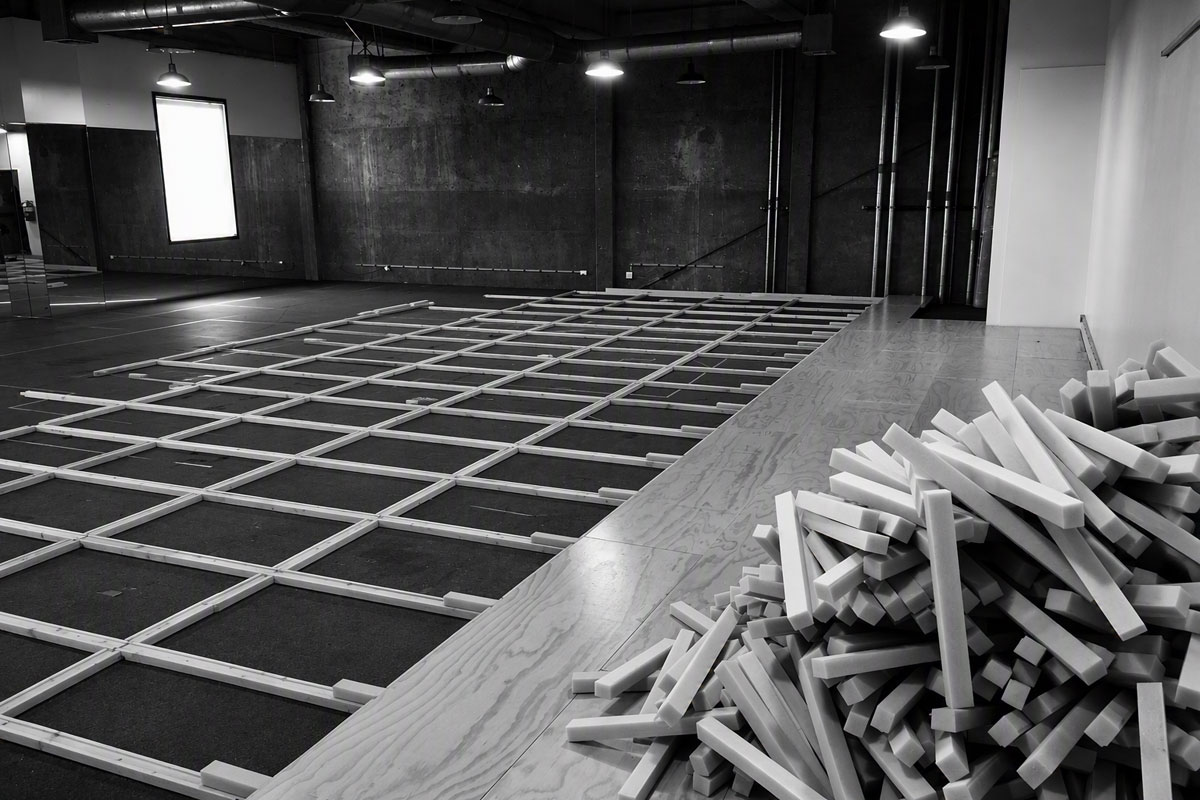
The company commissioned a custom-designed basketweave floor intended to create resilience through foam support points beneath each panel. Initially, the concept appeared promising. Over time, however, the foam compressed, allowing the floor panels to strike the structural supports beneath them. Dancers could hear the impact with every landing. The system required repeated repairs before ultimately being replaced.
Twice in his career, James became the customer responsible for selecting dance flooring. Twice he experienced firsthand how difficult it was to evaluate competing systems and make decisions affecting the health, performance, and careers of dancers.
A Different Approach to Dance Flooring
Those experiences helped define Robbins’ approach to the performing arts.
We believe dance organizations deserve more than product catalogs. They deserve evidence. They deserve engineering. They deserve transparency. Most importantly, they deserve partners who understand the daily realities of dancers because they have lived them.
That philosophy is strengthened by Robbins’ decades of leadership in performance flooring engineering and biomechanics. For generations, Robbins has developed athletic flooring systems where human performance, force management, vibration control, and uniform consistency are essential. Today, those same engineering principles are being applied and developed specifically to the unique demands of dance through flooring systems designed for ballet, modern, contemporary, tap, and commercial dance, in dance spaces that include professional companies, dance schools, theaters, K-12 schools, and universities.
The result is a different kind of conversation.
Instead of asking, “Which floor do you want to buy?”
We begin by asking, “How do dancers move? How do they train? How should a dance floor perform in order to allow them to dance at their best today and remain healthy for years to come?”
Because that’s the conversation James wished someone had with him when he was the customer.
His career as a dancer, union leader, educator, and manager has come full circle at Robbins. Together with Robbins’ engineering expertise, it reflects something rare in the dance flooring industry: a company that understands both the science beneath the floor and the artists who move on it.
At Robbins Dance & Performing Arts, we believe great floors do more than support performances.
They elevate careers.