The Trinity of Floor Performance: Three biomechanical principles that define an exceptional dance floor
By James Fayette, Vice President of Dance & Performing Arts, Robbins
Every performance floor influences how a dancer moves, lands and performs. The question is not whether the floor affects the body, the question is how.
In the past, flooring systems have largely been evaluated by measuring how materials respond to standardized laboratory impact tests. While these tests provide useful engineering data, they reveal relatively little about how the floor interacts with the human body during movement, thereby missing the input that matters most.
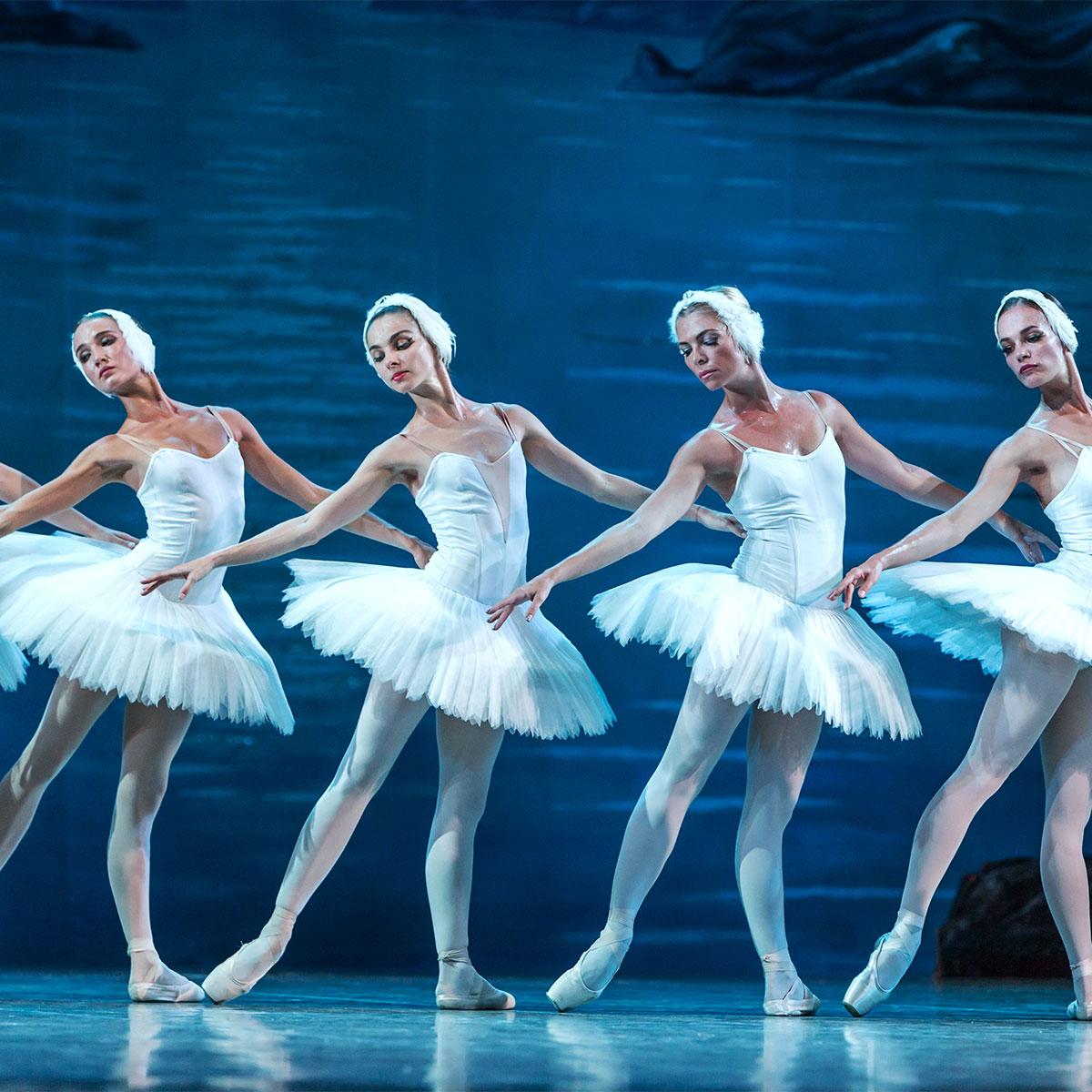

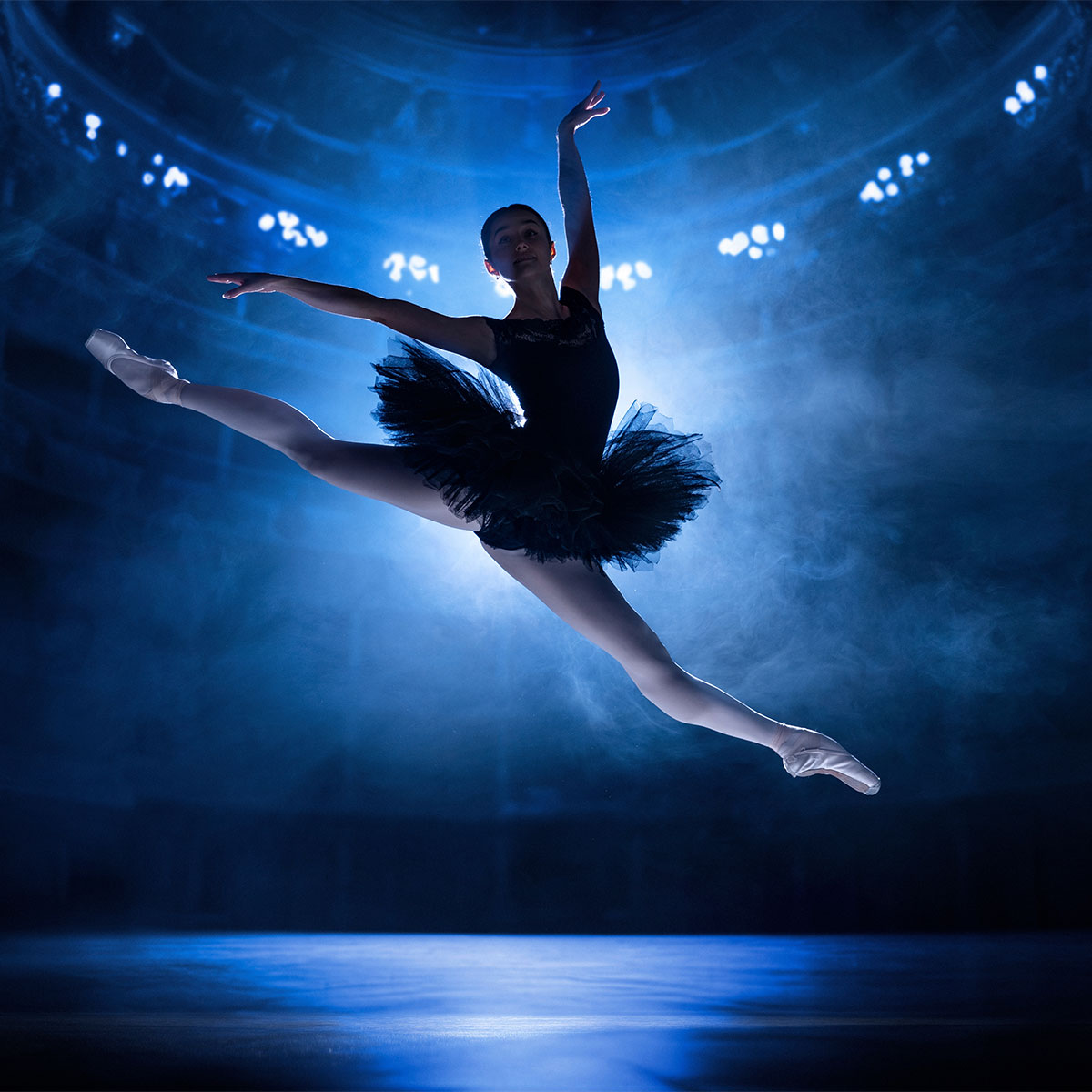
At Robbins, we believe the performance of a dance floor should be measured by its effect on the performer, not simply by its construction. That philosophy is the foundation of the Human Performance Standard, a science-based framework that evaluates dance floors according to their influence on dancer biomechanics. Rather than focusing exclusively on material properties, the Human Performance Standard examines how a floor manages the forces generated by every jump, landing and movement.
This approach draws from the same biomechanical principles used to evaluate elite athletic surfaces in professional sports and high-performance training environments. Robbins has adapted that science to meet the unique physical demands of dance and the performing arts.
At the heart of the Human Performance Standard are three interconnected principles:
- Uniformity
- Vibration Control
- Force Management
Together, these principles form what Robbins calls The Trinity of Floor Performance. When these three elements work in balance, a floor becomes an active partner in supporting dancer health, performance and longevity.
1. Uniformity: The Foundation of Consistent Performance
A dancer should be able to trust every inch of the performance surface. When one area of a floor responds differently than another, the body must continually adapt to changing forces. Even small inconsistencies affect balance, timing, confidence and long-term physical loading.
Uniformity ensures that every part of the floor behaves consistently by providing:
- Consistent energy absorption
- Predictable movement response
- Reliable muscle memory
Robbins engineers its flooring systems so that point-to-point deflection remains within exceptionally tight tolerances. Rather than functioning as individual panels or isolated sections, the entire floor performs as one integrated system.
This consistency is achieved through the interaction of Robbins’ patented suspension system, ZeroG™ force-reduction technology and structural anchoring methods that distribute loads evenly across the entire floor.
The result is a performance surface without unexpected hard spots or overly compliant areas, allowing dancers to perform with confidence regardless of where they move. Within the Human Performance Standard, uniformity provides the predictable biomechanical response that every performer depends upon.
2. Vibration Control: Managing Repetitive Shock
Beyond impact force, every landing also generates vibration that travels through the flooring system. If that vibration is not effectively controlled, it can transfer back into the dancer’s body or travel across the floor to other nearby performers. While individual vibrations may be small, thousands of repeated landings during rehearsals and performances can contribute to cumulative muscular fatigue and joint loading. For a flooring system to be effective, it must absorb impact while also dissipating vibration before it can affect performance.
Robbins floors are engineered to control vibration rapidly and efficiently, thus limiting the transmission of micro-shock throughout both the flooring system and the performer’s body. This proprietary approach works with the body’s natural biomechanics to reduce muscular effort during repetitive movement. Independent research has shown that effective vibration management can support longer periods of physical activity before fatigue while reducing the cumulative stresses associated with repeated jumping and landing.
Within the Human Performance Standard, vibration control helps minimize the accumulation of repetitive shock that can affect comfort, endurance and long-term performer health.
3. Force Management: Engineering Better Landings
The greatest forces experienced during dance occur at the moment of landing. Biomechanical research demonstrates that landing creates two distinct force peaks. The first occurs at initial contact with the floor as impact energy enters the body. The second follows almost immediately as muscles, tendons and joints actively stabilize the movement.
A properly engineered sprung floor helps manage the first impact so the body can respond more efficiently during the second. This balance is critical. If the floor is too rigid, it will transmit excessive impact into the ankles, knees, hips and spine. While a floor that is too soft introduces instability, absorbs excessive energy and forces dancers to work harder to maintain control. The objective is neither maximum softness nor maximum rigidity, but controlled force management.
Robbins flooring systems are engineered to reduce damaging peak impact forces while maintaining stability and efficient energy return. Carefully controlled vertical deflection allows the floor to absorb landing forces without creating the excessive rebound often described as the “trampoline effect.” The result is a stable surface that supports precise movement while providing the energy return dancers need to transition efficiently into their next movement.
Within the Human Performance Standard, force management protects performers during landing without compromising stability, precision or control.
Why the Trinity Matters
Many sprung floors perform well in one area while compromising another. Some provide excellent impact reduction but sacrifice stability. Others offer consistent footing but transmit excessive vibration. True performance flooring requires balancing all three biomechanical principles simultaneously.
The Human Performance Standard recognizes that no single characteristic determines floor quality. Instead, it evaluates how Uniformity, Vibration Control and Force Management work together as an integrated system.
When properly balanced:
- Uniformity creates predictable movement.
- Vibration Control reduces cumulative fatigue.
- Force Management minimizes landing forces while preserving stability and energy return.
Together, these principles create a floor that supports dancers throughout every rehearsal, class and performance.
As our understanding of biomechanics continues to evolve, performance flooring should be evaluated by one defining question:
How well does the floor support the performer?
The Human Performance Standard reflects that shift in thinking, moving beyond traditional material testing to focus on the science of human movement.
About Robbins
Robbins, Inc. is the premier supplier of high-performance hardwood and synthetic flooring systems to the performing arts, education, religious, sports and fitness markets. In more than 65 nations on six continents, performers and athletes compete and practice on millions of square meters of Robbins’ flooring. To request a sample or quote for one of our dance floor products, contact Robbins or call 800-831-8987.
About the Author
James Fayette has spent his career focused on dance as a performer, managing director and dance academy co-founder. Today he serves as Vice President of Dance & Performing Arts at Robbins, where he leads the development and strategy of purpose-built flooring systems designed to support the highest levels of performance while prioritizing dancer safety and physical sustainability.